

BDC Case Study
1 // PROJECT OVERVIEW
Our team at Outpost 4 was engaged to create a suite of mobile applications centered around both clinical-style activity interactions and experimental gamified variations. The engagement began with the delivery of a Control App, which became the baseline experience used to validate patterns for future products.
Because we delivered the Control App under budget and ahead of schedule, the client expanded the scope significantly. We were then further retained to build three gamified prototype SKUs.
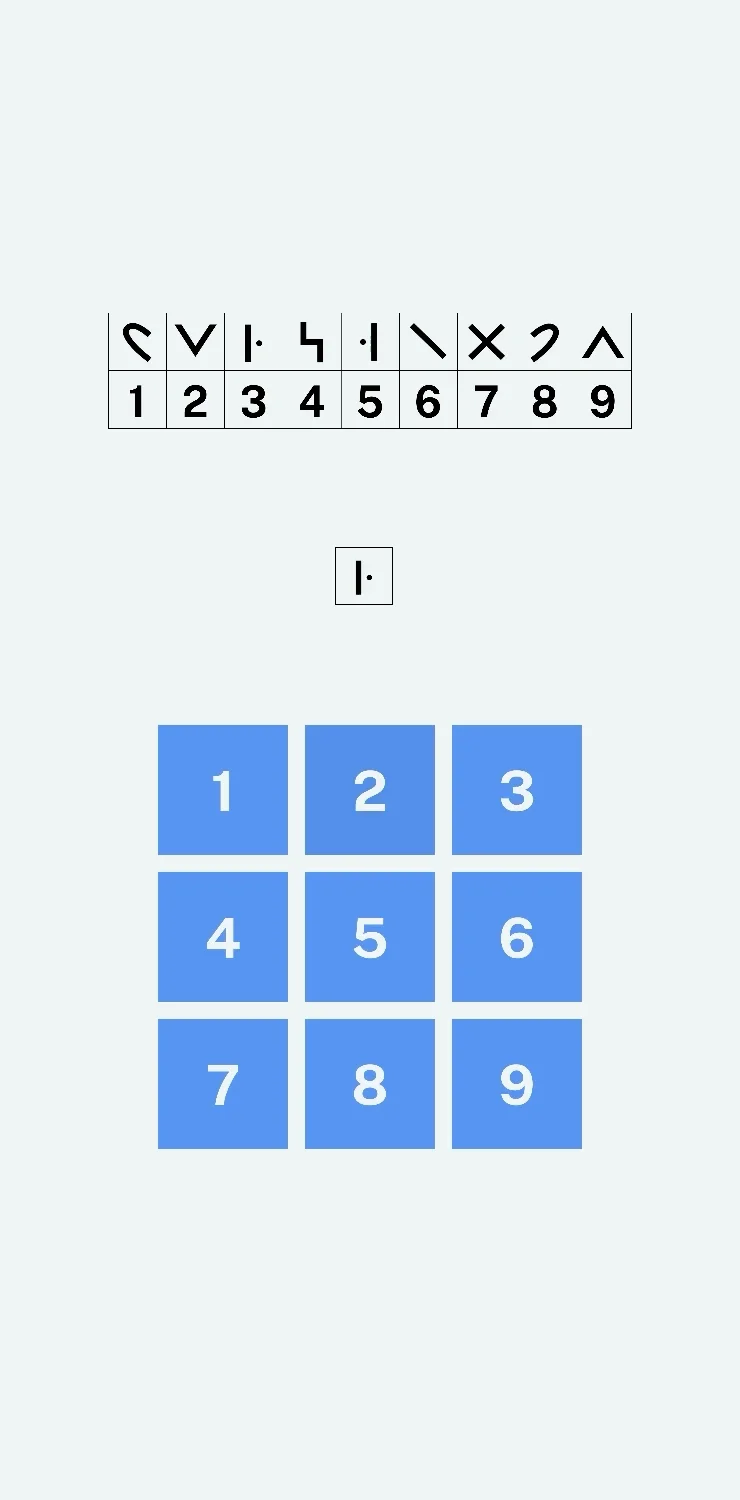
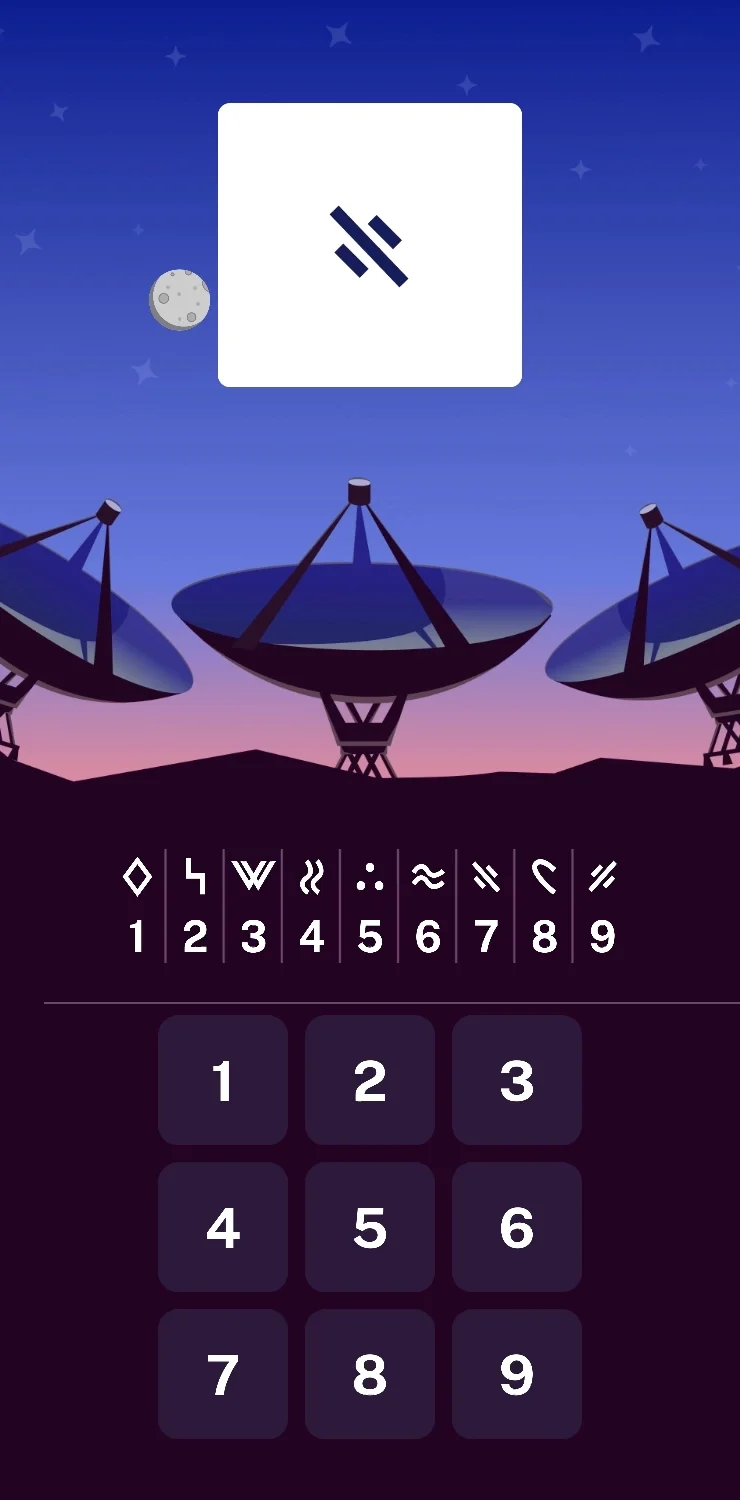

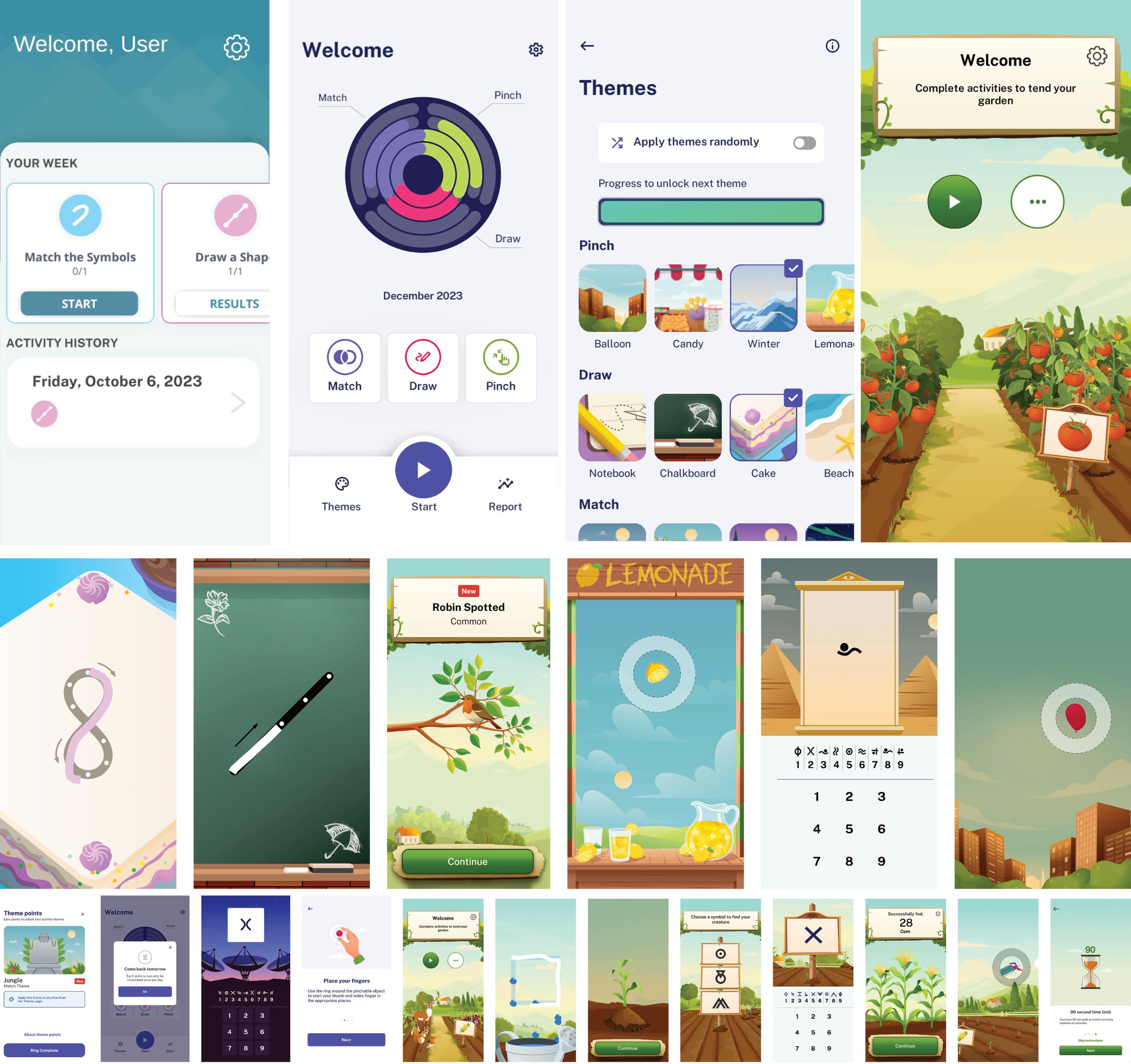
Gamified Activity Prototypes
-
Control App establishing the complete UI/UX pattern library
Three experimental gamified apps
A complete design system
Cross-platform builds (iOS + Android)
Weekly releases for executive review
Full documentation for game design, UI behaviors, and progression systems
-
All apps were built in Unity and published for:
iOS (via Xcode export)
Android
-
UX, UI, and game design
Creative concept exploration
Technical architecture + engineering
Asset production + animation
Audio integration
Analytics integration
Compliance-friendly workflows
QA, deployment, and mobile optimization
Project management, planning, and sprint execution
-
Weekly build distribution
Managing version control across three simultaneous apps
Implementing mobile-platform–specific requirements
Comprehensive QA across multiple generations of devices
2 // CLIENT OBJECTIVES
The client aimed to evaluate whether gamification could meaningfully improve adherence and retention in a set of motor and cognitive activities typically delivered in a clinical-style format.
Goals:
Build an experience that:
Increased user engagement
Felt pleasant and motivating rather than clinical
Supported a 3-month engagement study
Captured analytics for retention and activity performance
Demonstrated the potential to reimagine future diagnostic or health-support experiences
Constraints:
Timeline:
~8 weeks for the Control App
Expanded to an 8-month production window for three additional prototypes
Compliance Considerations:
HIPAA-sensitive workflows
Secure handling of activity data
NDA-constrained content
Conservative design patterns suitable for medically adjacent use
3 // RESEARCH & INSIGHTS
O4 conducted significant research to ensure the apps would be both engaging and accessible for the target user population.

Gamification & Behavioral Research
Research efforts included:
Studying gamification models for health-related behavior reinforcement including popular fitness apps
Reviewing behavioral-design frameworks
Incorporating methodologies related to design research and user motivation
Accessibility Research
O4 evaluated:
Readability requirements for older adults
Dyslexia-friendly typography and layouts
Reduced cognitive-load systems
Contrast, sizing, and spacing for accessibility
Device-generation constraints, particularly on older phones
Testing across multiple device generations helped shape:
Minimum element sizes
Cross-device scaling rules using parametric equations
A conservative, medically appropriate UI style
Design Philosophy
Constraints reinforced a disciplined design approach.
The result was:
Intentional visual restraint
Emphasis on clarity over novelty
Strong consistency across all app variants
A visual language that supported both emotional comfort and data integrity
4 // CONCEPT DEVELOPMENT
Concept development involved:
Early sketches and visual explorations
Moodboards and environmental inspirations
Narrative framing through the metaphor of tending a garden
Establishing a design system rooted in warmth, clarity, and accessibility
Design System & Documentation
O4 created:
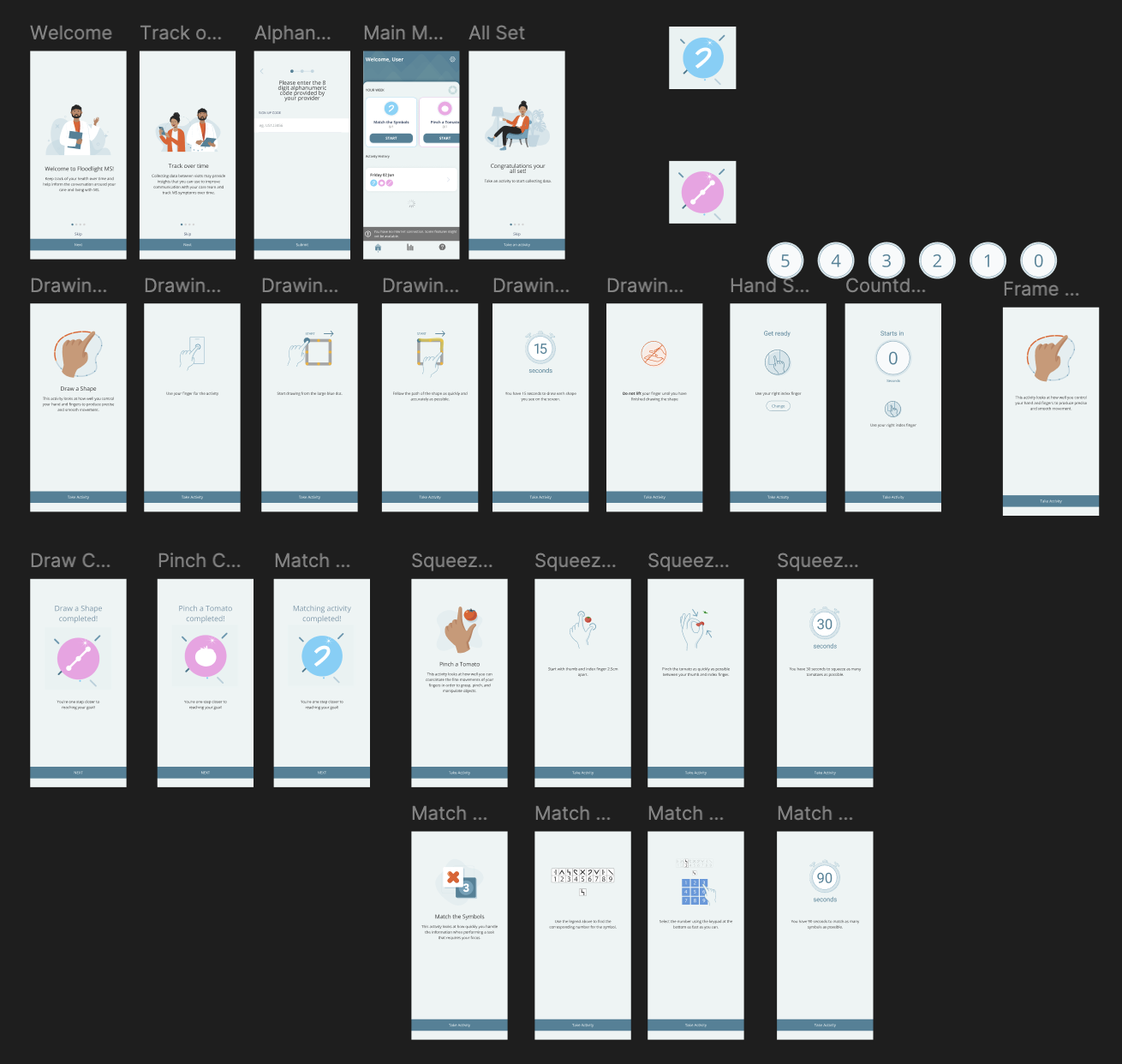
A robust Figma system with comprehensive layering
Live documentation for rapid iteration
Organized UI libraries
Clear communication artifacts for reviews and approvals
Ideation Considerations
Several factors shaped ideation:
Prioritization of data integrity
Compliance-sensitive terminology and visual language
Careful handling of metaphors related to health
Fast-paced iteration cycles
Continual evaluation of user cognitive load
5 // TECHNICAL DESIGN & ARCHITECTURE
Activity Interactions
Three primary activities, modeled after motor/cognitive tasks, were redesigned as gamified gesture actions:
Pinch Variants
Planting: pinch to release seeds onto soil
Fertilizing: pinch to spray “plant food”
Harvesting: pinch to collect ripe produce
Draw Variants
Watering: trace shapes to fill a watering can
Pollinating: guide a bee across flowers
Planting (Draw): seeds fall along traced paths
Match Game
Match symbols to corresponding numbers
-
Unity (engine)
Figma, Illustrator, Aseprite (UI + art)
Google Workspace
Git
Xcode (iOS builds)
iOS builds require TestFlight, Xcode configuration, and manual compiler flag adjustments
Manually resolved build discrepancies with Unity → Xcode transition is not automatic
Amplitude (analytics)
Bitwig Studio (music/sound design)
-
The project evolved into three separate game builds using one Unity repository with three branches
O4 built a shared core codebase, then branched into three distinct styles and variations
This allowed rapid iteration and prevented technical drift
-
Automated iOS multi-device testing
Broad Android testing via APK distribution
Manual accessibility testing
Device-generation analysis to ensure consistency
-
Test elements had to appear at exact identical physical sizes across all devices
O4 designed a unified minimum-size “bounding box” to ensure data integrity
Content centered on larger screens to maintain measurement fidelity
Utilized parametric equations provided by the client’s engineering guidelines to implement consistent shapes and swipe paths
Ensured consistent interaction fidelity across screen sizes
Complete accessibility compliance
Optimized for common, older hardware rather than premium devices in consideration of core user demographic (older population)
6 // Production & Feedback Process

-
Weekly sprints with tight deadlines were essential to timely project delivery
Communication occurred through Discord, using a red/yellow/green emoji system to track feature readiness
Consistent Friday review cycles
Delivered weekly playable builds for evaluation
-
Discord for communication
Trello for task management
Lean, tightly coordinated team
-
Large review calls (12 individual stakeholders) required careful filtering of actionable feedback
O4 consistently provided clarity on design intent and rationale
Iteration cycles focused on polish, stability, and consistency
7 // Final Experience
Delivered Experiences
Outpost4 delivered:
The Control App
Three full game prototypes
Multiple variants of Pinch, Draw, Match including varied theming
In-app settings, notifications, authentication, and analytics
Results
Engagement goals were exceeded significantly
Retention improved by 15–20% over expectations
The prototypes validated the effectiveness of gamified reinforcement loops
Performance outpaced efforts with far larger budgets and teams
The project demonstrated that high-quality gamified systems can meaningfully enhance activity participation
Visuals and gameplay details remain confidential.
(*Future clarification pending regarding what can be publicly shown.*)